You do not need to understand everything before you speak up
Asking questions in Jiu-Jitsu is a practical way to take part in your own learning. You can be motivated, attentive, and willing to practice while still needing an explanation repeated. A useful question gives your instructor a clearer picture of where you need help.
For students at Gracie Barra Headquarters Irvine, that can begin with something simple: admitting that one part of a demonstration did not make sense. Confidence can grow from knowing how to seek guidance, rather than feeling that you must already have every answer.
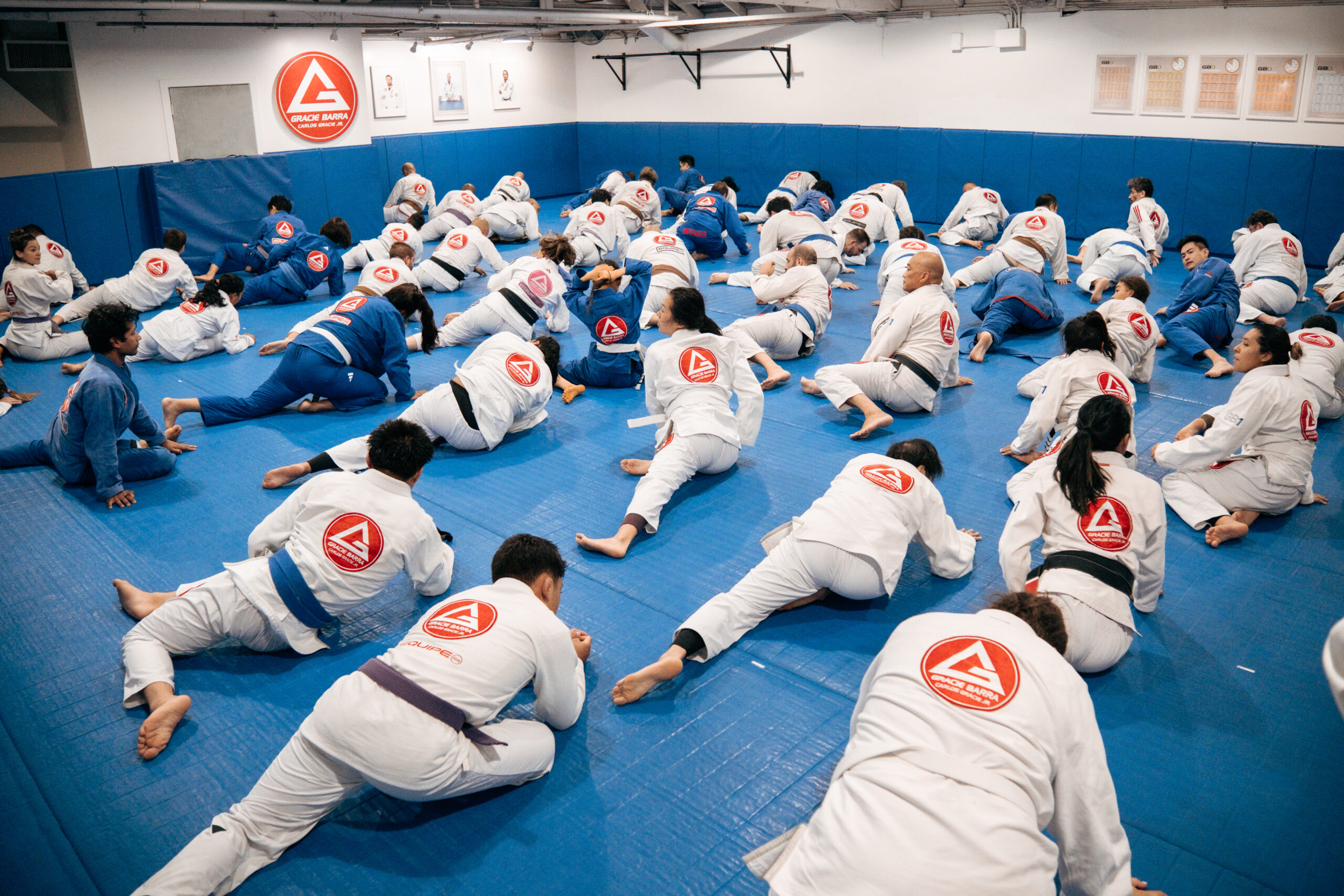
DISCOVER Gracie Barra Headquarters Irvine
CLICK HERE1. Make asking questions in Jiu-Jitsu a normal part of learning
It is easy to assume that everyone else understood the demonstration immediately. From your position on the mat, however, you cannot know what other students are thinking. Some may recognize the movement; others may be wondering about the same detail you missed.
Waiting until you can phrase a perfect question creates another obstacle. Everyday language is enough. Saying, “I understand the beginning, but I lose track when we change positions,” gives the instructor something useful to work with. Knowing the formal name of every movement is unnecessary.
Describe what you noticed
Separate an observation from a judgment about yourself. “I keep forgetting which part comes next” describes a difficulty. “I am terrible at this” turns that difficulty into a label without explaining it. The first statement opens a conversation that can lead to a clearer next step.
If the whole class still feels unfamiliar, understanding what to expect as a Jiu-Jitsu beginner can help you distinguish questions about the lesson from questions about the general class routine.
2. Turn a broad concern into a question your instructor can answer
“How do I get better?” is understandable, but it covers almost everything. Narrowing the question makes the answer easier to use. Ask about the task in front of you: what you should be trying to understand, what you missed, or which detail deserves attention first.
Ask about the purpose before collecting more details
For example, you might remember the order of a demonstration without understanding its goal. “What are we trying to achieve in this exercise?” helps establish that purpose. Once the goal is clear, individual instructions have a place in the larger explanation.
Context also matters. If a lesson seems different from something you learned previously, ask what has changed. Differences between Gi and No-Gi training, for instance, can prompt useful questions about which instructions apply to the current exercise.
Choose one point to clarify first
Several questions may come to mind at once. Start with the one that prevents you from understanding the assigned task. You can then ask a follow-up if the explanation still leaves a gap. This keeps the conversation manageable without pretending that one answer will resolve everything.
At Gracie Barra Headquarters Irvine, the GB1 adult training program provides a relevant starting point for discussing your current learning needs. Ask the team which class suits your experience instead of deciding that you need to keep up with someone else’s level.
3. Use the answer to guide your next supervised practice
A helpful explanation becomes more useful when you check what you understood. You might say, “So the main thing I should pay attention to here is the order?” Your instructor can confirm that interpretation or correct it before you continue.
Follow the assigned exercise and the instructor’s guidance. A question is an opportunity to understand the task more clearly; it does not require experimenting with unfamiliar movements or increasing the intensity. If something remains unclear, pause and ask again.
Your training partner can help you remember what was demonstrated, but uncertainty about technique or appropriate practice belongs with the instructor. You can be a considerate teammate by saying what you need clearly and giving your partner room to do the same.
If an answer does not click, explain which part is still confusing. Hearing the same sentence again may not resolve the gap; asking to see the relevant moment again may be more helpful. You can also explain what you thought the instruction meant, giving the instructor a chance to spot the misunderstanding. This is a conversation, so you can be respectful and still say that you need further clarification.
Find a comfortable moment to ask
Watch how the instructor organizes questions during class. If you are unsure when to speak, ask when they would prefer you to raise a learning question. A brief clarification during practice may fit naturally; a longer discussion may need a different moment.
You do not have to make a public announcement about feeling lost. When the instructor approaches, a quiet request such as “Could you watch this part and help me understand it?” can start the conversation. If you need to stop an exercise, communicate that immediately.
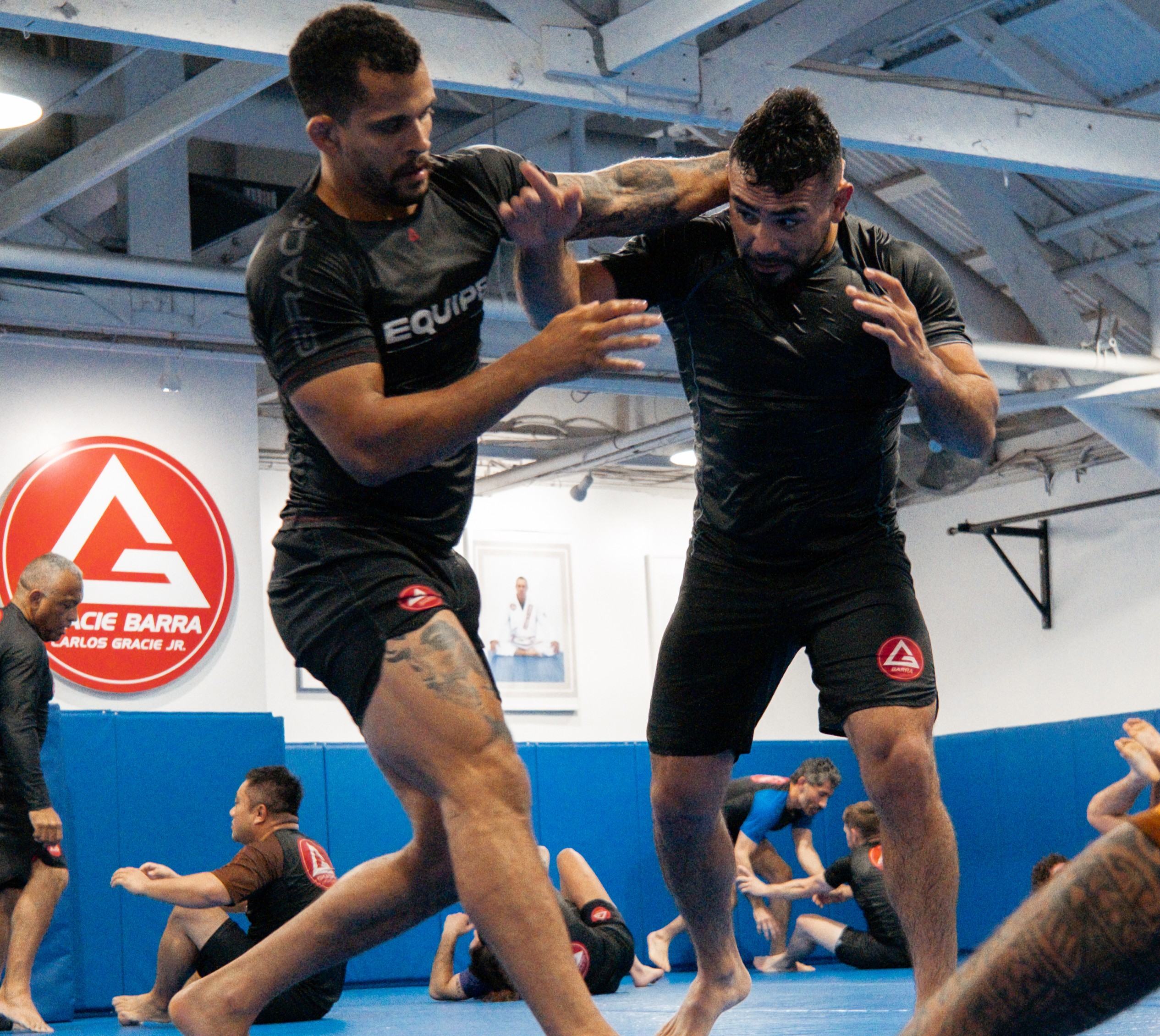
Leave class with one clearer idea
After class, consider whether your question changed your understanding. Perhaps you can now explain the purpose of an exercise, recognize the part you missed, or identify what you want the instructor to check next time. Those are concrete outcomes, even when the movement still needs practice.
A short note can preserve that connection: the question you asked, the explanation you received, and anything still unclear. Keep it in your own words. You are creating a reminder for a future conversation, rather than a technical manual to follow without supervision.
DISCOVER Gracie Barra Headquarters Irvine
CLICK HERELet curiosity give you a way forward
You can take your learning seriously while being honest about what you do not understand. Asking questions in Jiu-Jitsu gives that honesty a useful direction: notice a difficulty, seek clarification, and return to supervised practice with a clearer purpose.
At your next class at Gracie Barra Headquarters Irvine, choose one genuine uncertainty to discuss. You do not need an impressive question. A clear, ordinary question can be enough to make the next part of learning feel more approachable.